Seasonal Heating
Seasonal heating for a long winter
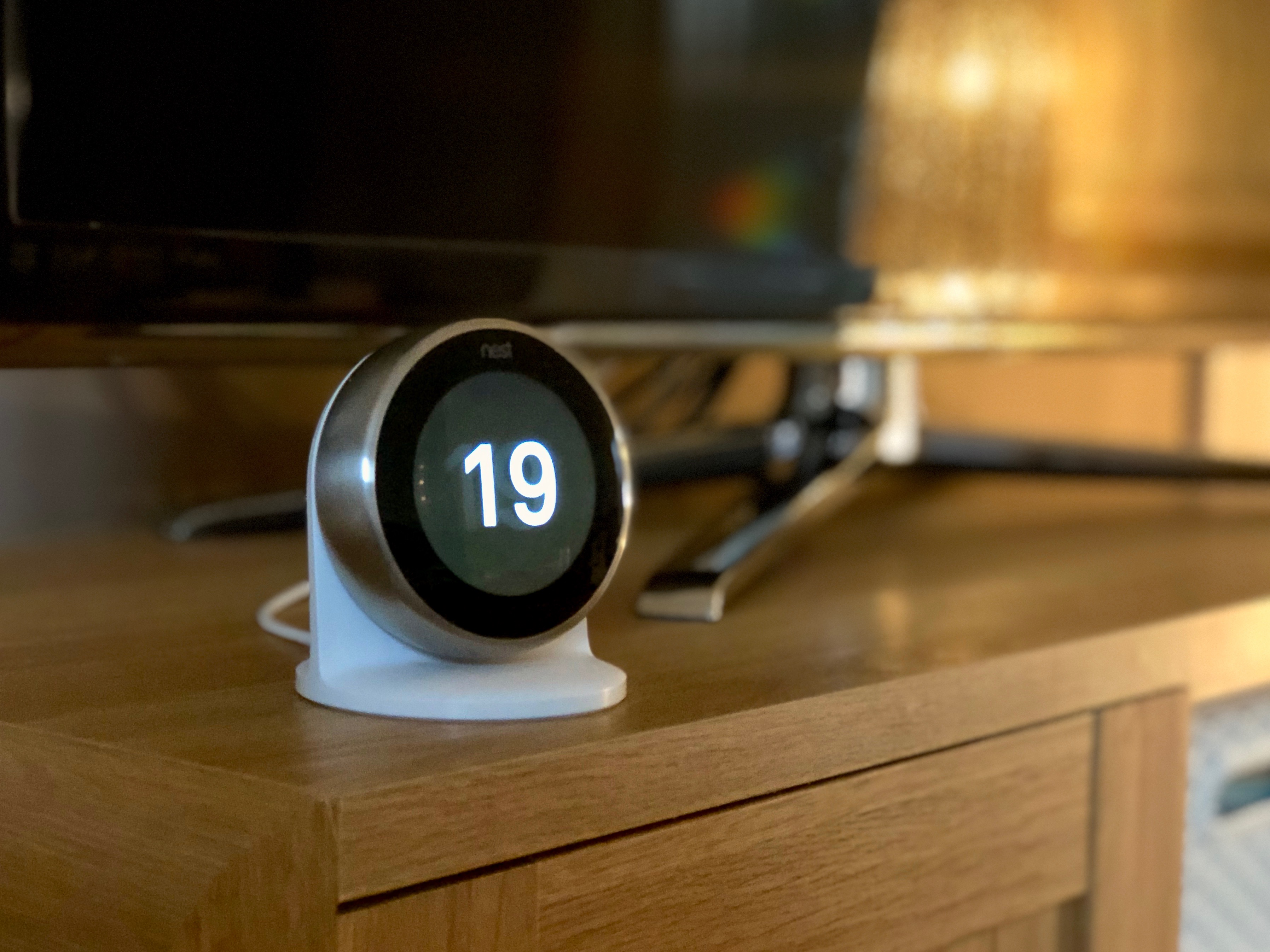
Once a home is well sealed and insulated, how the heating system is operated determines how much of that benefit carries through the season. Two habits do most of the work: running the thermostat on a schedule, and keeping the equipment maintained so it heats efficiently from the first cold snap to the last.
Run the thermostat on a schedule
A programmable or smart thermostat can lower the temperature while the house is empty or everyone is asleep, then bring it back up before it is noticed. Letting the indoor temperature drift down during those hours reduces the time the system runs at full output.
- Set a lower overnight temperature and a daytime setback when the home is empty.
- Schedule recovery to finish shortly before the household wakes or returns.
- Avoid large manual overrides, which undo the schedule's benefit.
Keep the equipment maintained
Filters
A clogged filter restricts airflow and makes a forced-air system work harder. Replacing filters on a regular schedule through the heating season keeps output steady.
Seasonal inspection
A professional check before winter can catch issues while they are small. For heat pumps and furnaces alike, clean components and correct settings help the system reach its rated efficiency.
Vents and returns
Blocked supply registers or return grilles unbalance airflow. Keeping them clear of furniture and rugs lets the system distribute heat evenly.
Let the building help
South-facing windows admit useful solar gain on clear winter days. Opening curtains during sunlight and closing them at night is a no-cost habit covered alongside others on the everyday habits section of the homepage.
How it connects
Heating settings reach their potential only when the envelope cooperates. Pair this with insulation basics and sealing drafts so the heat the system produces stays inside.